
Brand Suitability
Part of Gaming brand suitability
Responding to unexpected placements in a gaming campaign
Document, pause, investigate and correct an unapproved gaming ad placement before resuming delivery.
undefined
When an ad appears in an unapproved game, mobile game app or in-game scene, capture the placement and stop the supply path most likely to repeat it. Match the report to campaign delivery records before deciding whether the issue is the game, app, deal, format or scene. Record who owns the investigation and the conditions for restarting, and escalate an age-sensitive product to the campaign’s compliance contact.
Identify the game, app and placement
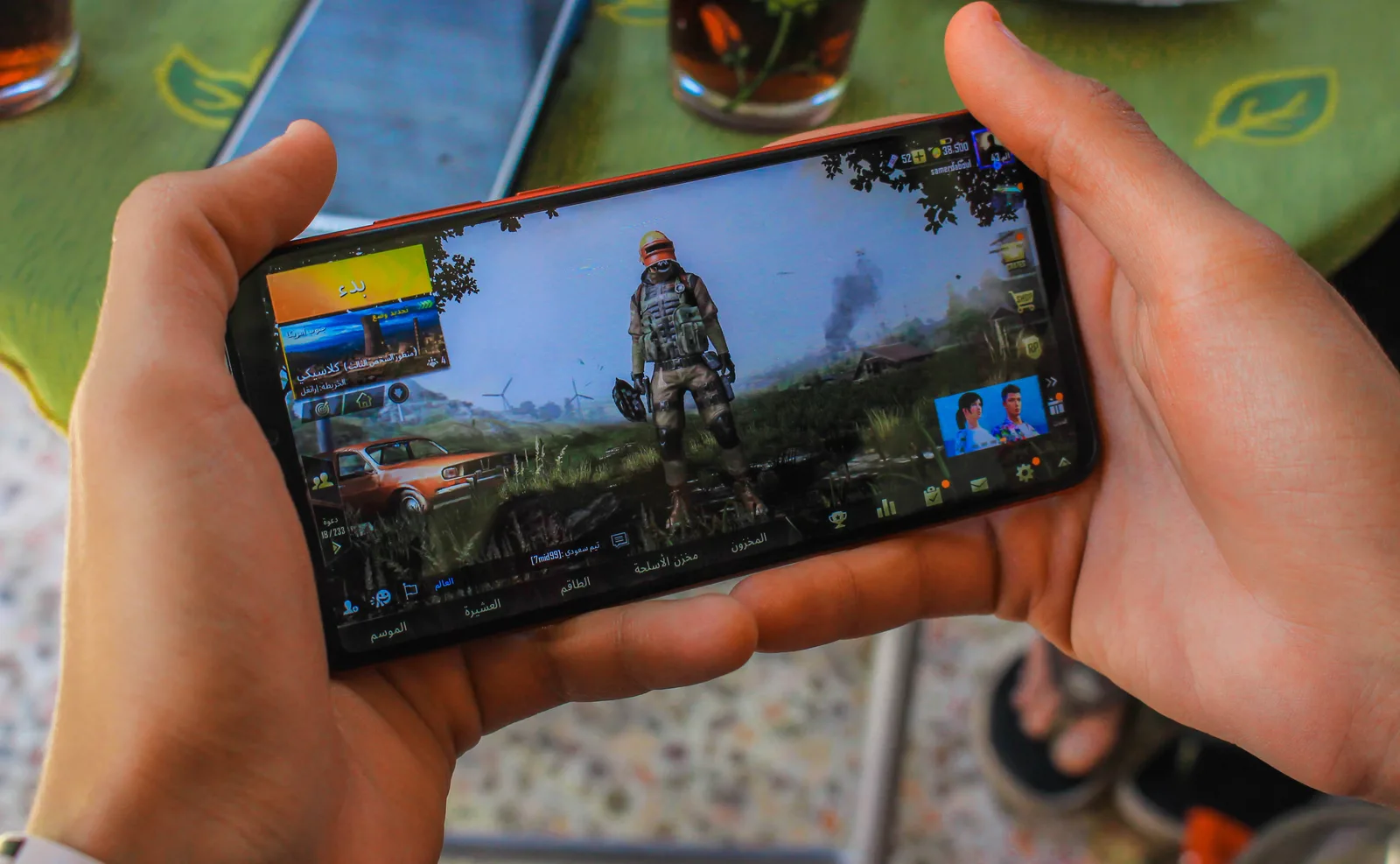
Record the game title and app identifier if visible, device, country, date and time, creative and ad format. Capture the screen or scene, noting whether it was gameplay, a menu or another in-game context, and retain the original complaint or discovery record. Keep the evidence in its original form so it can be matched to the buyer’s delivery records.
Ask the buyer to retrieve a placement-level delivery report for the matching line item or deal and period, including the game or app identifier, format and any available scene or context fields. Match the report to the captured placement. A screenshot shows that an occurrence was reported; it cannot establish total impressions or the buying path by itself.
Compare the placement with the written campaign rules. Was the game or app excluded, outside an approved list, incorrectly labelled, or acceptable generally but unsuitable in the scene shown? Use the report to establish whether the suspected issue is limited to one app, scene, category, deal or wider supply path. Involve the campaign’s compliance contact for an age-sensitive product and record the decision.
For a mobile game, ask the buyer to check its app-ads.txt record as a separate inventory-authenticity check. IAB Tech Lab describes ads.txt as a public record of sellers authorised by publishers and distributors, and app-ads.txt as an extension for applications. That check can help identify inventory sources; it does not establish whether a game, audience or scene meets the campaign’s suitability rules. (IAB Tech Lab)
Key Regulatory and Industry Guidelines for Gaming Ad Compliance
- AANA Code of EthicsApplies to online media and advertising directed to consumers in Australia. Responsibility lies with the advertiser that controls the communication.
- IAB Tech Lab – ads.txt & app-ads.txtPublic records of authorised sellers. Used to verify inventory authenticity but do not confirm suitability.
- Ad Standards Complaint ResponseProvides education and guidance on responding to complaints under the AANA Children’s Advertising Code.
Pause and investigate the gaming placement
Pause the affected line item, deal or supply path at the narrowest level that will reliably prevent another occurrence. If the game, app or deal cannot be isolated, pause the wider path until it can. Save the settings and campaign rules as they stood before correction, then compare them with the settings in effect at delivery. Check game and app exclusions, deal exceptions, inventory labels and the context shown in the captured placement.
Match the buyer’s delivery report to the game or app, line item or deal and delivery period, then compare those records with the targeting and exclusions saved for that period. Ask the buyer to explain unknown identifiers or gaps in the report. Treat platform settings as evidence to check against delivery, not proof of the actual placement or cause on their own.
Set evidence-based conditions for resuming
Ask the buyer for a written incident record covering affected dates, identified games and apps, scenes or contexts where available, measurable impressions, cause, correction and the person responsible. The campaign owner should check the revised control and record which delivery report will verify it. If affected apps cannot be identified or an effective control cannot be shown, keep the relevant supply path paused or change the buying arrangement.
Assess a campaign suitability issue against its written placement rules; do not treat it automatically as a finding about advertising rules. The AANA Code of Ethics is technology neutral and includes online media. For advertising directed to consumers physically present in Australia, AANA says the Code applies to the advertiser or marketer with reasonable control over the communication, and responsibility for aligned content rests with the advertiser that controls it. (AANA Code of Ethics)
Ad Standards provides education on advertising rules, the AANA Children’s Advertising Code and responding to an advertising complaint. If a complaint is received, use its complaint-response resources and involve the campaign’s compliance contact to assess the issue. (Ad Standards)
Before restarting, the campaign owner should record the approved games and apps, allowed contexts, controls changed and identifiers needed to verify delivery, and agree a review window. Resume only after the revised control has been checked; then compare a fresh placement report with the approved plan. If the report cannot identify the affected supply or an excluded placement recurs, pause that path again. Close the incident when the owner records the checks and outcome, and keep the record for future briefs.
Campaign Suitability vs. Advertising Rules: Key Distinctions
- Campaign Suitability RulesDefined by the advertiser; include approved games, apps, scenes, and audience targets. Governed by internal briefs and brand guidelines.
- Advertising Rules (AANA & Ad Standards)Regulate truthfulness, clarity, and consumer protection. Apply to advertisers with control over content, especially when consumers are physically in Australia.