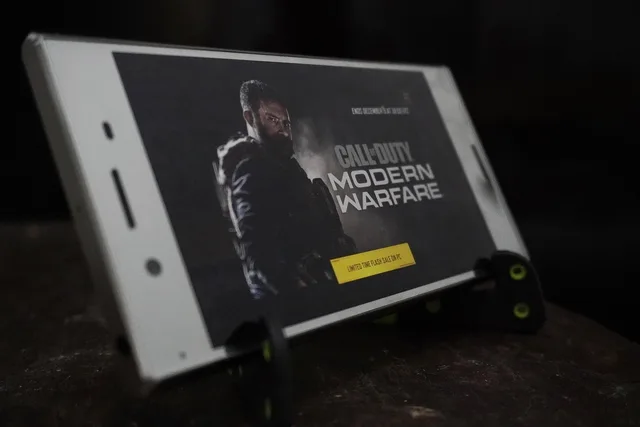
Adapting text for small mobile game screens
Shorten and lay out localised game ad text so the claim, essential conditions and action remain readable on a small phone.



Checking age-related audience restrictions with current guidance
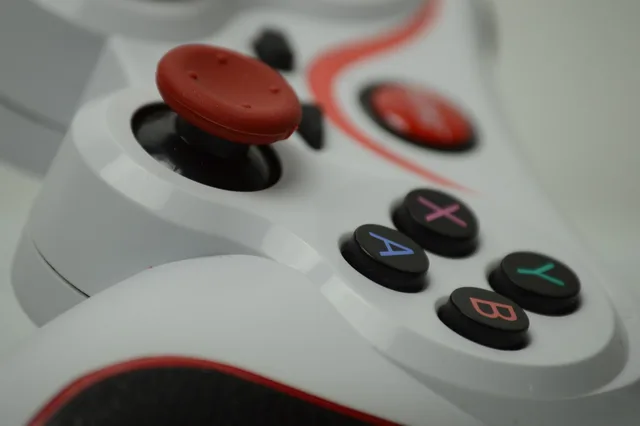
Checking attribution windows in gaming ad reports
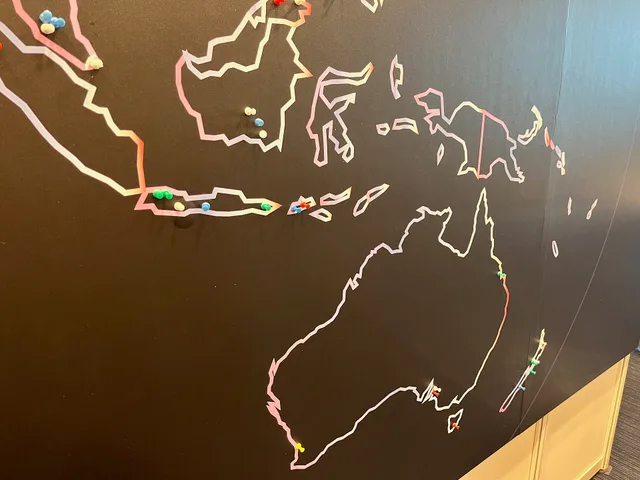
Checking Australian reach in a gaming inventory proposal

Checking inventory availability by device

Checking that translated game ad copy fits the interaction
Checking whether an in-game placement can actually be seen
Inspect an in-game surface from the player's view and ask how size, angle, obstruction and measurement gaps affect visibility.
Choosing a suitable brand message for a rewarded placement
A rewarded ad should communicate one idea before the player returns to the game.
Choosing an ad format that does not misrepresent a reward
Decide when a rewarded ad fits, separate the game benefit from an advertiser offer, and check that the player sees the true earning condition.
Choosing game advertising by audience and campaign goal
Turn an Australian gaming brief into an audience definition, suitable ad contact and measurable outcome.
Comparing direct game publisher deals with network buying
Compare direct publisher and network gaming ad buys on inventory control, commitment, Australian eligibility, operations and delivery evidence.
Comparing gaming CPMs with qualified reach
Compare gaming CPM quotes against distinct eligible Australian reach, with a worked example and the limits of reach estimates.
Comparing genres with a consistent message
Compare gaming genres using a consistent message, defined inventory packages and one agreed outcome.
Comparing intrinsic in-game placements with display overlays
Compare game-world surfaces with app display overlays by player view, interaction, visibility evidence and risk of covering controls.